Welcome to our company
 Send Email
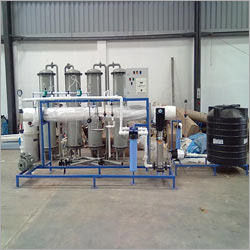
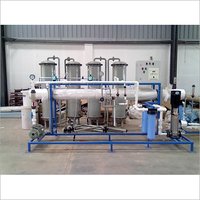
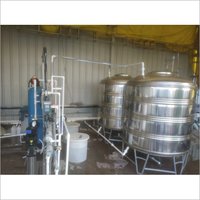
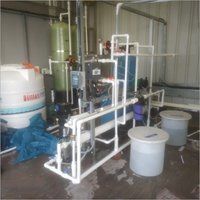
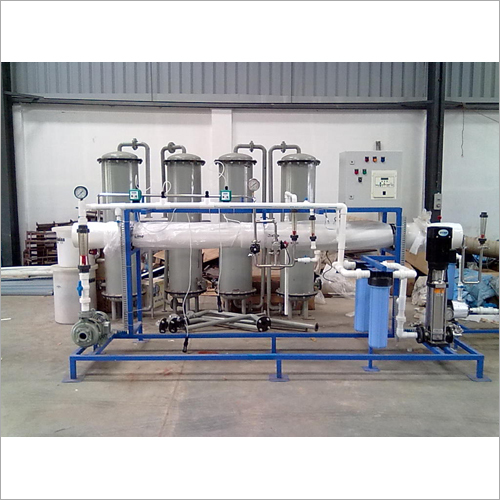
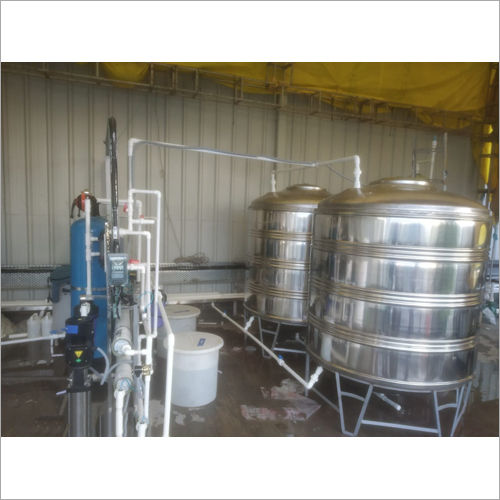
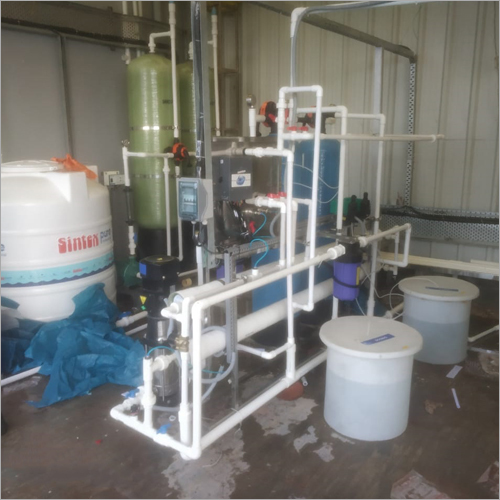
Water Reverse Osmosis Plants
10000 INR/Bag
Product Details:
- Noise Level <65 dB
- Pump Type Centrifugal / High Pressure Pump
- Feature High Efficiency, Low Maintenance, Compact Design
- Ph Level 6.5 - 8.5
- Frequency 50/60 Hz
- Water in conductivity 300 - 700 S/cm
- Efficiency (%) 95 - 98%
- Click to view more
X
Water Reverse Osmosis Plants Price And Quantity
- 1 Plant
- 10000 INR/Bag
- CIP (Clean-In-Place)
- Powder Coated MS/ SS
- Sand Filter, Carbon Filter, Micron Filter
- Up to 5000 ppm
- Dow/ Hydranautics/ Toray/ Equivalent
- <50 ppm
- 10-20 Bar
- PLC Controlled Panel
- 5°C to 45°C
- Meets IS 10500:2012 & WHO Water Quality Guidelines
- 50-70%
Water Reverse Osmosis Plants Product Specifications
- Reverse Osmosis Plant
- Industrial, Commercial, Drinking Water, Pharmaceutical, Food Processing
- <10 S/cm
- 250 LPH to 50000 LPH
- Variable as per plant capacity
- 60-70%
- 2 - 7.5 kW
- Multi Media, Cartridge, Activated Carbon Filters
- 500 LPH to 10,000 LPH
- Up to 99.5%
- Containerized / Skid Mounted / Floor Mounted
- Electric
- Automatic / Semi-Automatic
- Stainless Steel / FRP
- Reverse Osmosis (RO)
- 95 - 98%
- Borewell Water, Municipal Water, River Water, Brackish Water, Sea Water
- 220V / 380V
- <65 dB
- Centrifugal / High Pressure Pump
- Electric Motor
- High Efficiency, Low Maintenance, Compact Design
- 6.5 - 8.5
- 50/60 Hz
- 300 - 700 S/cm
- CIP (Clean-In-Place)
- Powder Coated MS/ SS
- Sand Filter, Carbon Filter, Micron Filter
- Up to 5000 ppm
- Dow/ Hydranautics/ Toray/ Equivalent
- <50 ppm
- 10-20 Bar
- PLC Controlled Panel
- 5°C to 45°C
- Meets IS 10500:2012 & WHO Water Quality Guidelines
- 50-70%
Water Reverse Osmosis Plants Trade Information
- 1 Plant Per Day
- 1 Days
Product Description
To set new benchmarks in our sphere of operations, we are engaged in manufacturing Water Reverse Osmosis Plants. The plant is manufactured in compliance with the changing market demands, using optimum quality materials. These plants are used to separate organic substances from water and make the water pure. Available in different specifications our Water Reverse Osmosis Plants are highly utilized in waste water systems. We offer the plants at the cost effective prices.
Features:
-
Longer service life
-
Hassle free operation
-
Requires less maintenance
Advanced Control & Membrane Technology
Equipped with a PLC-controlled panel and membranes from leading brands, our RO plants ensure automated, precise operation and consistent water quality. The integrated Clean-In-Place system enables effortless maintenance, optimizing downtime and operational costs while maintaining peak efficiency every cycle.
Versatile Installation & Applications
Available in containerized, skid-mounted, or floor-mounted formats and built from powder coated MS or stainless steel, our RO plants adapt to a variety of industrial, commercial, and municipal scenarios. The wide range of capacities (250 LPH to 50,000 LPH) supports diverse uses, from drinking water supply to food processing and pharmaceuticals.
Efficient Pre-Treatment and High Recovery
A multi-stage pre-treatment sequence with sand, carbon, and micron filters maximizes membrane longevity and performance. Recovery rates of up to 70% ensure resource efficiency, while discharge meets national and international water quality standards for safety and compliance.
FAQs of Water Reverse Osmosis Plants:
Q: How does the PLC-controlled panel improve the performance of the reverse osmosis plant?
A: The PLC-controlled panel automates key processes, monitors system parameters, and enables precise adjustments. This results in consistent water quality, reduced manual intervention, and enhanced operational safety.Q: What types of feed water sources can be treated by this RO plant?
A: Our RO plants are designed to treat various feed water sources, including borewell water, municipal supplies, river water, brackish water, and seawater, with TDS levels up to 5000 ppm.Q: When is it necessary to use the Clean-In-Place (CIP) cleaning system?
A: The CIP system should be used periodically, especially when a decline in performance is noticed (such as reduced permeate flow or increased pressure drop), or as recommended in the maintenance schedule to ensure membrane longevity.Q: Where can these reverse osmosis plants be installed?
A: Reverse osmosis plants can be installed in a range of settings: industrial facilities, commercial estates, municipal water treatment plants, pharmaceutical production, or food processing units, thanks to multiple mounting options like containerized, skid-mounted, or floor-mounted configurations.Q: What is the process for achieving water quality that meets IS 10500:2012 and WHO guidelines?
A: The plant combines multi-stage pre-treatment (sand, carbon, and micron filtration) with advanced reverse osmosis membranes to remove contaminants. This results in product water with TDS below 50 ppm and conductivity under 10 S/cm, compliant with strict quality standards.Q: How is the variable flow rate maintained in these systems?
A: Variable flow rates are managed by adjusting system parameters and pump speeds, allowing flexibility to match the plants capacity requirementsranging from 500 LPH to 10,000 LPH or as specified on larger units.Q: What are the primary benefits of this reverse osmosis plant for users?
A: Key benefits include high efficiency (up to 98%), low maintenance due to CIP technology, compact design for space optimization, compliance with major water standards, and significant reduction in operating costs through resource recovery and energy-saving features.Tell us about your requirement

Price:
Quantity
Select Unit
- 50
- 100
- 200
- 250
- 500
- 1000+
Additional detail
Mobile number
Email


Contact Details

- Shop No. - 4, Chaitanya Apartment, Opp, Van Vasant Colony Gate, Parvati, Pune - 411009, Maharashtra, India
- Phone : 08045811808
ANUJ ENTERPRISES
GST : 27AJPPP5011Q1ZK

- Mr DHANANJAY PADMAKAR DESHPANDE (PARTNER)
- Mobile : 08045811808
- Send Inquiry
 Send Inquiry
 Send Inquiry
 Send SMS
 Call Me Free
ANUJ ENTERPRISES
All Rights Reserved.(Terms of Use)
Developed and Managed by Infocom Network Private Limited.
Developed and Managed by Infocom Network Private Limited.


