Welcome to our company
 Send Email
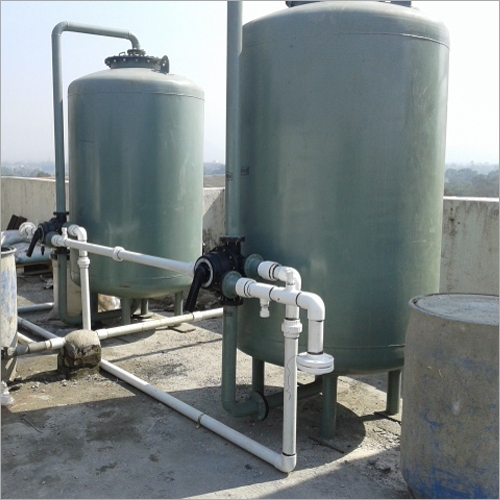
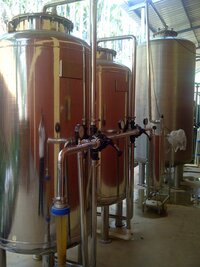
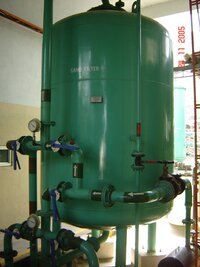
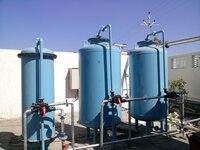
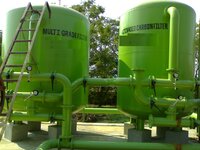
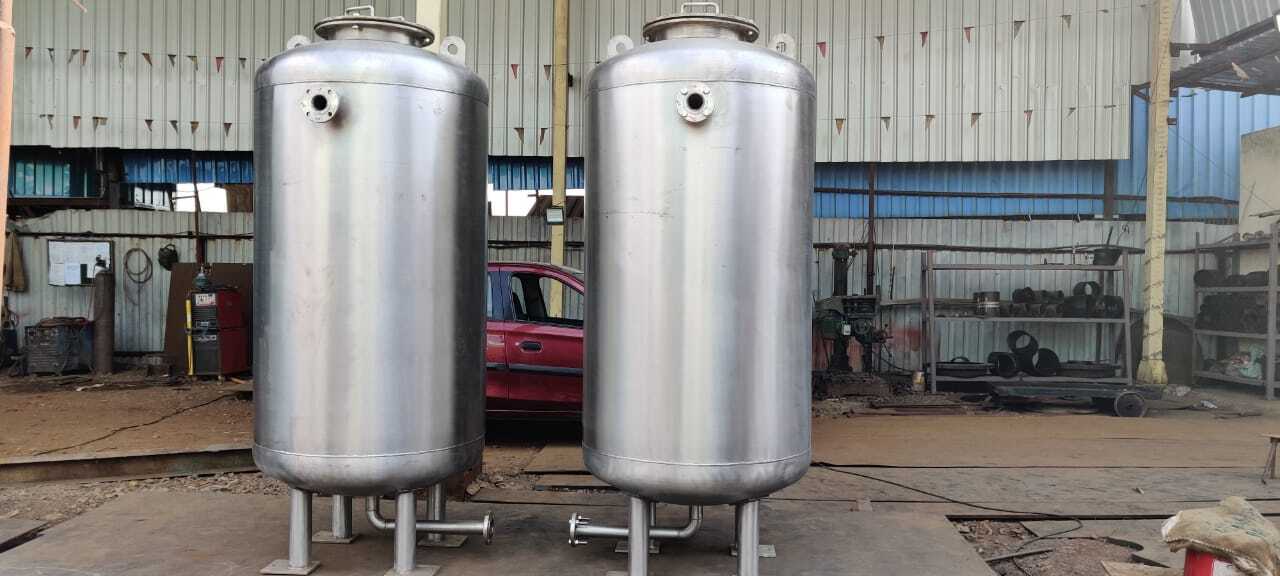
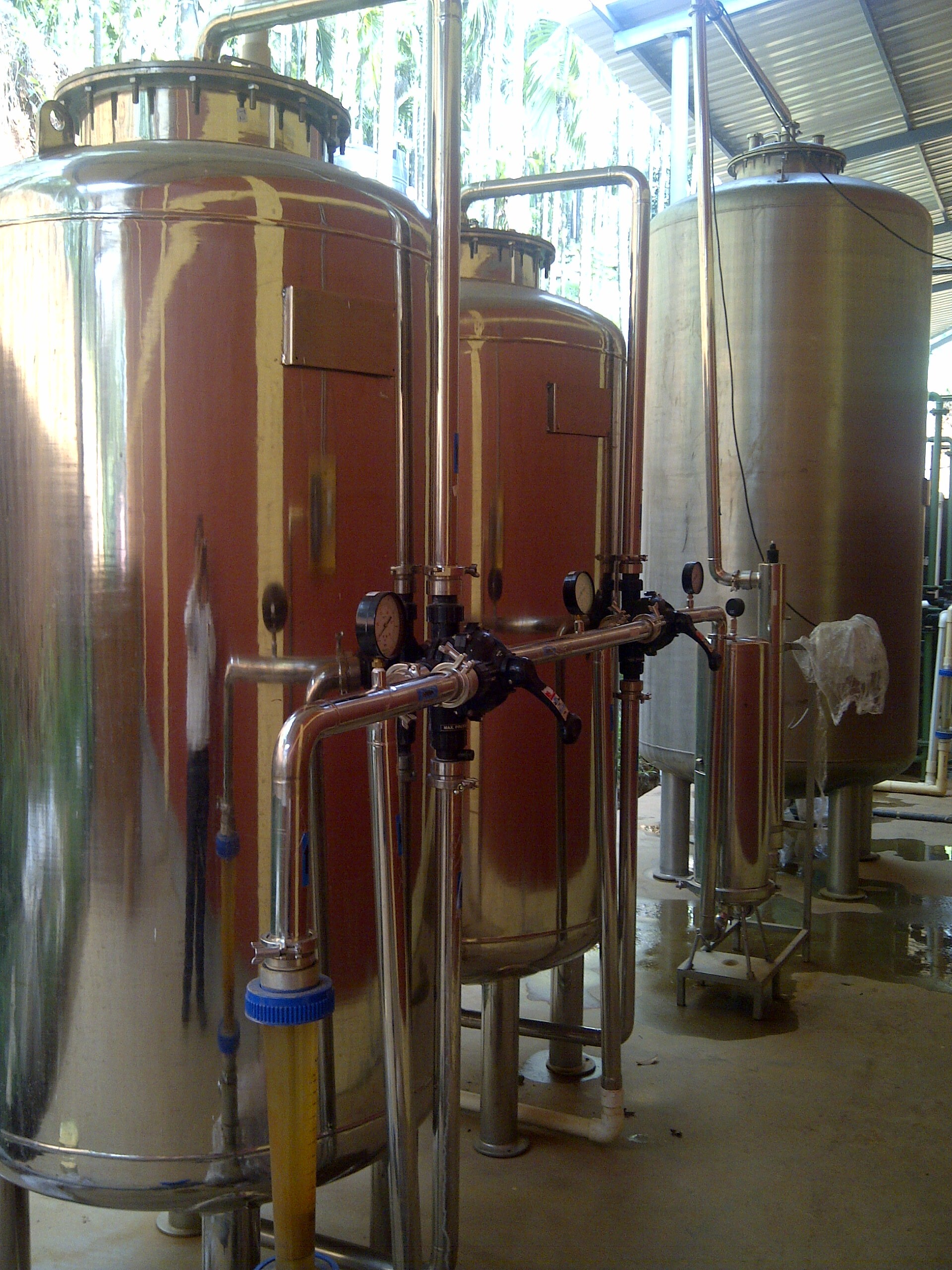
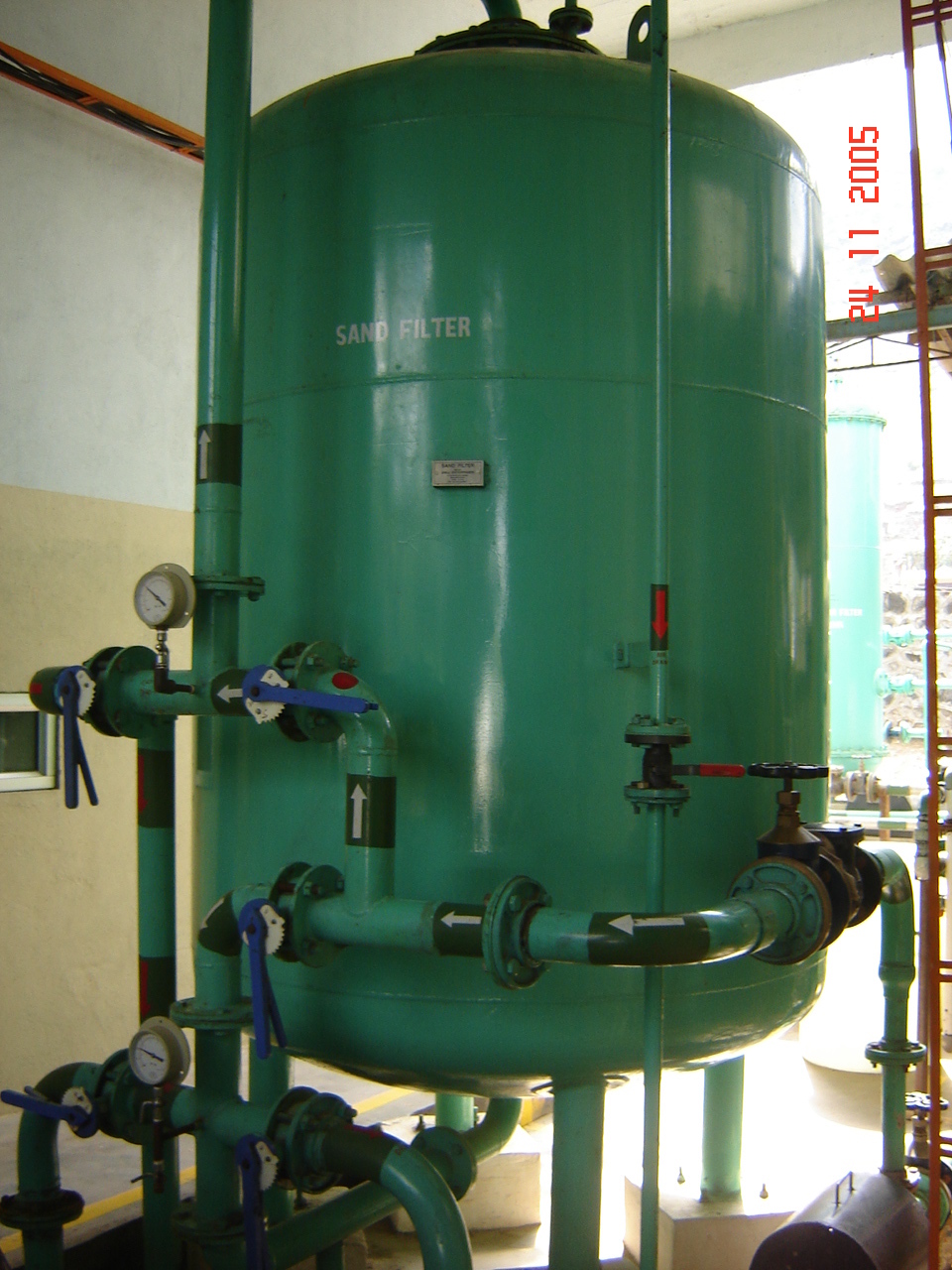
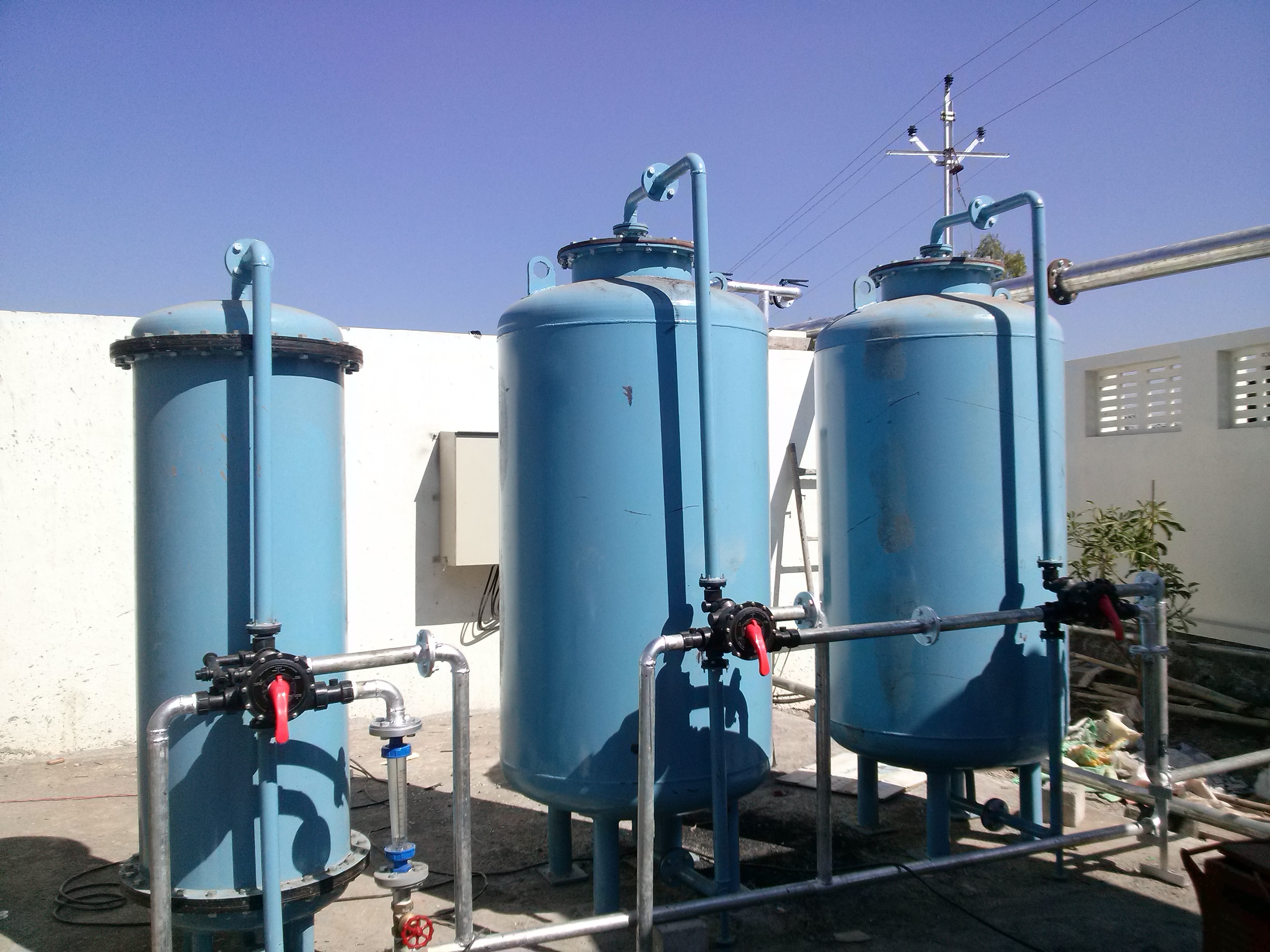
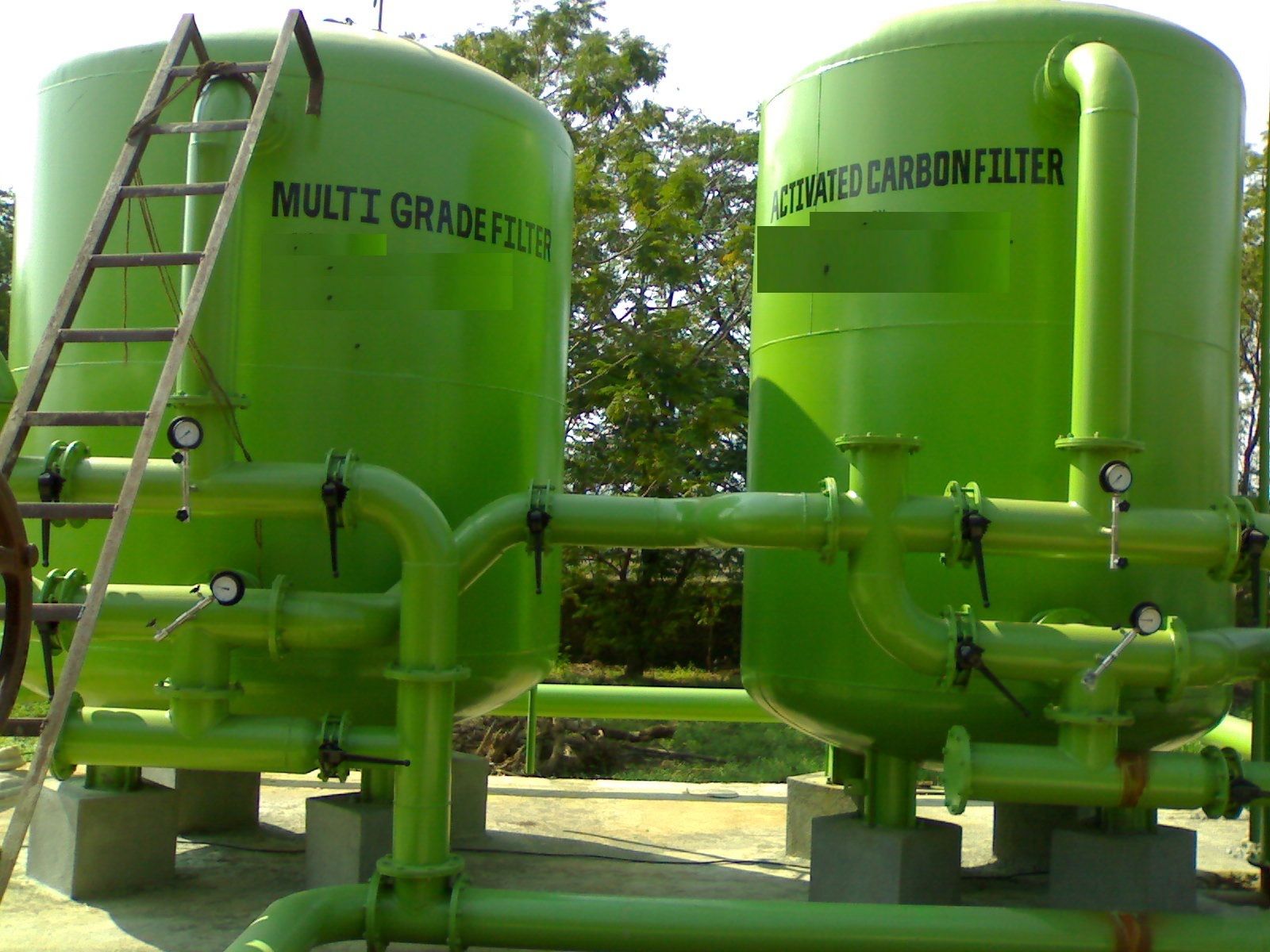
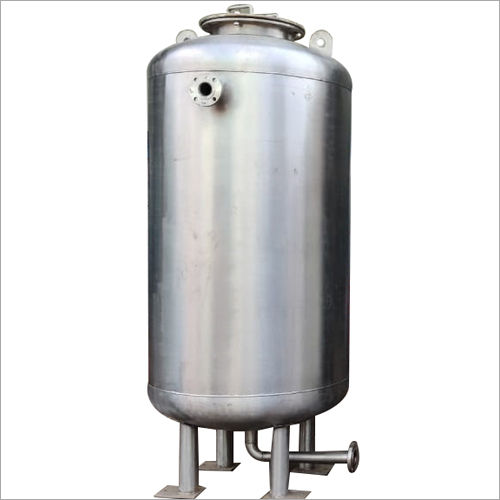
MSEP/SS/FRP Pressure Sand Filter
10000 INR/Number
Product Details:
- Material MSEP/SS/FRP
- Application TSS, Turbidity removal
- Product Type Sewage Treatment Plants
- Technology Pressure Sand Filter ( Filtration)
- Operation Type Semi Automatic
- Click to view more
X
MSEP/SS/FRP Pressure Sand Filter Price And Quantity
- 10000 INR/Number
- 1 Number
MSEP/SS/FRP Pressure Sand Filter Product Specifications
- TSS, Turbidity removal
- Sewage Treatment Plants
- Semi Automatic
- Pressure Sand Filter ( Filtration)
- MSEP/SS/FRP
MSEP/SS/FRP Pressure Sand Filter Trade Information
- Per Day
- Days
- Yes
Product Description
Pressure Sand Filters contain layers of media. Each layer is progressively sized in coarseness and layer depth.The media layers are stacked progressively with the coarsest and densest media, typically gravel , at the bottom and the lighter ,finer media ,at the top. PSF is use to reduce the level of SDI (silt density index), TSS (Total suspended solids) in the incoming feed water.Suspended solids consists of small particles such as silt,clay,grit, organic matter, algae and other microorganisms, Incoming feed water that is high in suspended solids can cause a high pressure drop and reduce the effectiveness of downstream filtration equipment such as membranes, RO membranes etc. PSF is not only used as pretreatment or sometimes used for removal of turbidity coming from wastewater treatment systems.
PSF comprises of vessels available in MS, SS and FRP containing the media,provided externally with a valve and piping to direct and control flow of water during treatment and for cleaning.
The vessel is provided with inlet and outlet header lateral arrangement/bell mouth/strainer box for distribution/ uniform collection.
PSF is provided along with all piping,valves,filter media,instruments and accessories.
Advanced Filtration Technology
This pressure sand filter utilizes granular media to eliminate impurities such as TSS and turbidity. The filtration process ensures that water quality is consistently elevated, making it suitable for both industrial and commercial settings. The robust construction options (MSEP/SS/FRP) also guarantee long service life and corrosion resistance.
Versatile Applications and Usage
The filter can be integrated into various water treatment systems across manufacturing plants, municipal facilities, and institutional establishments. Suitable for pre-treatment before RO plants, cooling towers, and similar setups, it is valued for its operational flexibility and ease of maintenance.
FAQs of MSEP/SS/FRP Pressure Sand Filter:
Q: How does the MSEP/SS/FRP Pressure Sand Filter operate to remove TSS and turbidity?
A: It utilizes bed layers of sand under pressure to trap and filter out suspended particles and turbidity from incoming water. The semi-automatic operation allows for periodic backwashing and simple maintenance procedures to maintain optimal filtration performance.Q: What applications are suitable for this pressure sand filter?
A: Designed for industrial, commercial, and institutional water purification, it is ideal for pre-treatment processes, cooling towers, and situations requiring reduction of TSS and turbidity prior to further treatment or use.Q: When should I choose MSEP, SS, or FRP material for the pressure sand filter?
A: Material selection depends on the operating conditions and water chemistry: MSEP for general purposes, SS for enhanced corrosion resistance in aggressive environments, and FRP for lightweight, chemical-resistant applications.Q: Where can this pressure sand filter be installed?
A: It can be installed at any facility requiring suspended solids and turbidity removal, such as manufacturing plants, water treatment stations, and institutional setups. Site adaptability is enhanced by its various construction materials.Q: What is the typical process for maintaining this semi-automatic filter?
A: Routine backwashing and periodic inspections are required. The semi-automatic operation aids in maintenance by allowing easy switching between filtration and cleaning modes, ensuring sustained efficiency.Q: How does using this filter benefit overall water treatment performance?
A: It effectively lowers TSS and turbidity levels, which prolongs the life and improves the output quality of downstream equipment like RO units or cooling towers, reducing overall maintenance costs and improving operational reliability.Tell us about your requirement

Price:
Quantity
Select Unit
- 50
- 100
- 200
- 250
- 500
- 1000+
Additional detail
Mobile number
Email

Other Products in 'Effluent Treatment Plants' category


Contact Details

- Shop No. - 4, Chaitanya Apartment, Opp, Van Vasant Colony Gate, Parvati, Pune - 411009, Maharashtra, India
- Phone : 08045811808
ANUJ ENTERPRISES
GST : 27AJPPP5011Q1ZK

- Mr DHANANJAY PADMAKAR DESHPANDE (PARTNER)
- Mobile : 08045811808
- Send Inquiry
 Send Inquiry
 Send Inquiry
 Send SMS
 Call Me Free
ANUJ ENTERPRISES
All Rights Reserved.(Terms of Use)
Developed and Managed by Infocom Network Private Limited.
Developed and Managed by Infocom Network Private Limited.


